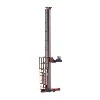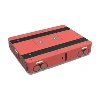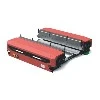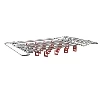

Performance indicators for warehouse automation equipment are primarily used to evaluate operational capability and efficiency; key metrics include rated load, throughput capacity, operating speed, and equipment dimensions. Rated load indicates the maximum weight of goods the equipment can safely handle, while throughput capacity reflects the volume of goods that can be transported within a specified timeframe. Properly determining these parameters based on daily inbound and outbound cargo volumes helps prevent prolonged equipment overloading while meeting actual operational needs.
Operational stability is another critical performance indicator. Equipment should maintain smooth operation during continuous use, free from significant vibration, jamming, misalignment, or abnormal noise. For systems such as automatic conveyors, vertical lifts, and stacker cranes, factors like positioning accuracy, the smoothness of starting and stopping, and operational cycle times are also vital. Maintaining stable, long-term operation minimizes the impact of equipment downtime on warehouse productivity.
The level of automation and control precision also influence overall equipment performance. Automated equipment typically requires functions such as automatic start/stop, positioning, speed adjustment, and fault alarming, alongside the ability to gather real-time operational data on goods and the equipment itself via sensors. For equipment integrated with a Warehouse Management System (WMS), accurate data transmission is essential to ensure the correct execution of system-issued tasks and to improve the accuracy of cargo storage, retrieval, and sorting.