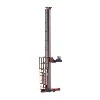

Warehouse automation systems primarily consist of mechanical equipment, electrical control systems, detection devices, and information management systems. These components work in concert to execute tasks such as goods receiving, storage, handling, sorting, and dispatching. Mechanical equipment forms the foundation of the entire system-comprising conveyors, vertical lifts, stacker cranes, automated racking, and handling robots-and is configured based on the warehouse's specific layout and operational requirements.
The mechanical execution components are responsible for the physical transport, storage, and retrieval of goods. Conveyors facilitate horizontal movement, while vertical lifting equipment handles transport between different levels; stacker cranes and handling robots manage the actual storage and retrieval operations. These units typically incorporate components such as electric motors, gear reducers, chains, belts, and rollers, utilizing power transmission to operate along designated paths.
The electrical control system is the core component enabling automated operation, comprising PLCs, control cabinets, variable frequency drives (VFDs), operator panels, and various sensors. Sensors detect data-such as cargo location and equipment status-and transmit signals to the control system. The PLC analyzes this information against pre-programmed logic and issues commands to actuators (like motors and conveyor mechanisms) to control functions such as starting, stopping, speed adjustment, and positioning.
The information management system oversees the management of cargo data and operational tasks. Technologies such as barcodes, QR codes, and RFID are used to identify goods and record details regarding type, quantity, and storage location. The Warehouse Management System (WMS) issues instructions to the automated equipment for inbound and outbound tasks while simultaneously receiving feedback from the equipment. The synergy between mechanical equipment, control systems, and information management systems enhances the level of warehouse automation, ensuring greater accuracy and efficiency in the movement of goods.